New harmonized classification of copper – ECHA changes the rules of the game
14/09/2025 | By Ivan Milenković
The European Chemicals Agency (ECHA), through the latest amendments to the CLP Regulation (ATP23), has introduced a harmonized classification of copper, depending on its form. The changes aim at better protection of health and the environment – and timely adjustment brings certainty and regulatory compliance.
Which forms of copper are covered and how they are classified
- Massive copper (specific surface area ≤ 0.67 mm²/mg): no classification. It has been assessed as low risk for aquatic organisms.
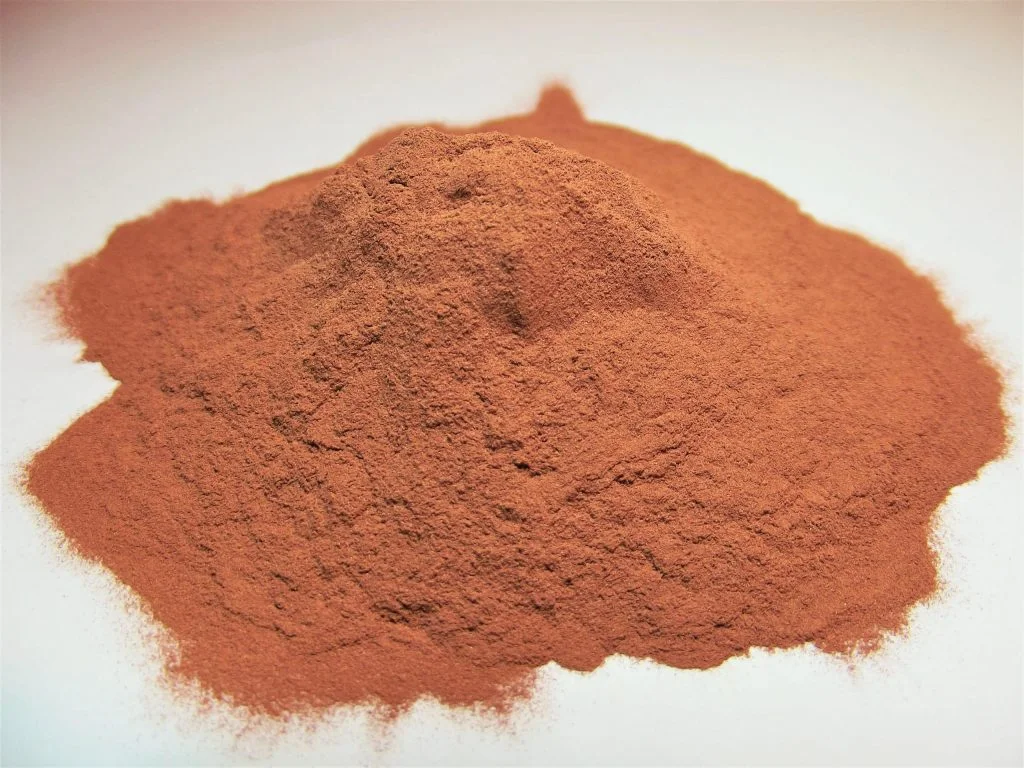
- Copper powder (fine forms, specific surface area (SSA) > 0.67 mm²/mg): classified as Short-term (acute) aquatic hazard (M-factor = 10) and Long-term (chronic) aquatic hazard (M-factor = 10)
The new classification covers only elemental copper (in massive and powder forms), while copper compounds such as oxides, sulphates or nitrates are not included for now, but are the subject of separate assessment procedures within the ECHA CLH process (Harmonised classification and labelling).
Wide use of copper - and the risks it carries
Copper is one of the key raw materials of the modern economy. Its use in the EU exceeds a million tonnes per year, which means there is hardly a sector in which it is not used:
- Consumer products - cosmetics and personal care, polishes, waxes, chemicals for paper and polymers, and even household products.
- Professional use - the metal industry, metalworking fluids, lubricants, surface treatment and laboratory chemicals.
- Biocides - disinfection, drinking water treatment, preservation of liquid systems.
- Industrial production – electrical cables, motors, pipes, construction materials, alloys and catalysts.
Why is copper powder (fine forms) a particular problem?
Copper powder with an SSA > 0.67 mm²/mg has received the strictest ecotoxicity classification: Aquatic Acute 1 (M-factor = 10) and Aquatic Chronic 1 (M-factor = 1). This means it is very toxic to aquatic organisms, with immediate and long-lasting effects.
This form of copper is used in:
- powder metallurgy,
- coatings and platings,
- specialty chemical processes and additives.
The risk lies in the possible release of particles into aquatic systems, which has consequences for ecosystems and calls for rigorous protective measures.
What this means
Industry:
- Updating safety data sheets (SDS), labels and instructions for products containing fine copper (powder).
- Reviewing handling, storage and transport processes due to the increased environmental risk.
Workers and consumers:
- Workers must have adequate protection (ventilation, filters, masks).
- Consumers should be informed about the environmental aspects of products containing copper powder.
The environment:
- Copper powder poses a serious threat to aquatic ecosystems.
- Advanced technologies are needed for wastewater treatment and emission control.
Necessary actions - don’t wait until 2026.
- Update the classification immediately and the internal procedures for copper with an SSA > 0.67 mm²/mg.
- Review documentation: SDS, labels, packaging - in line with the new CLP requirements.
- Employee training - focusing on protection when handling powder forms.
- Invest in environmental systems - filtration, wastewater treatment, recycling.
- Follow ECHA processes - copper compounds are only now entering the assessment phase and possible additional regulation.
Conclusion
The new CLP classification of copper shows two realities: massive copper is still safe, while the powder form is recognized as high risk for the environment. Industry now has to balance between the broad and necessary use of copper and the new obligations arising from its ecotoxic potential.
This blog post is for informational purposes only and does not constitute legal advice. For specific situations, consult a licensed chemical adviser or a lawyer specialising in chemical regulation.
← Back to blog